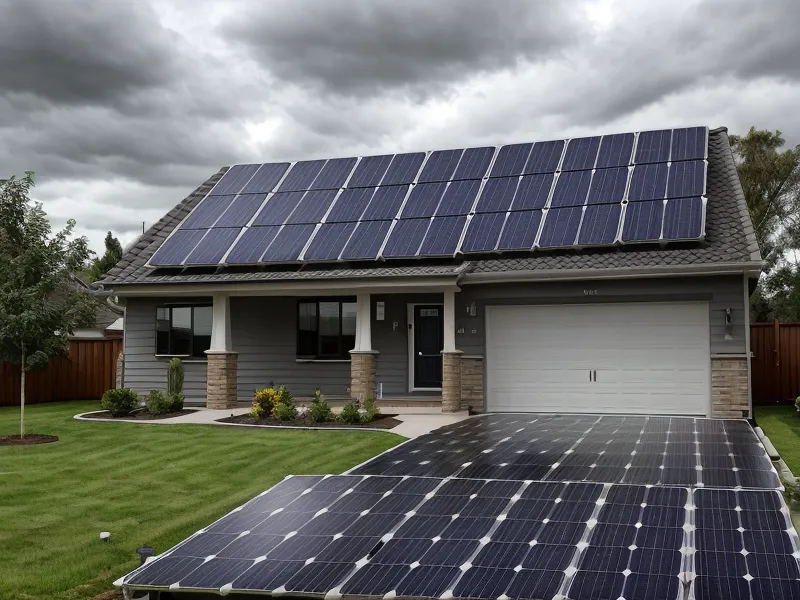
What Does "Energy Independence" Actually Require?
What does it actually take to keep a house powered when the grid goes quiet for days? We spent two separate outages last year finding out the hard way — one during the thick of hurricane season, another barely a month later — cycling through gas station lines, dead extension cords, and a lot of guesswork. Somewhere in there, hurricane backup power stopped being a vague worry and became a real project: building a home battery system for genuine energy independence, without a background in electrical work and without pretending we were suddenly survivalists.
Quick disclosure before anything else: this post has affiliate links in it, and if you buy through one, we earn a small commission at no extra cost to you. We only recommend backup gear we've actually run during a real storm, and neither of us is an electrician or a doctor, so treat this as field notes, not professional advice. We've written before about how we got to this point in Surviving the Houston Hum: Our Pragmatic Guide to Home Backup Power After Two Total Blackouts. The short version there is that energy independence isn't a single destination. It's a spectrum, running from "the fridge stays cold for three days" all the way to "we never notice the outage at all."
Your placement on that spectrum depends on your priorities. For us, it came down to three things. First, enough runtime to protect what actually matters. Before we had any of this figured out, my husband once tried keeping our son's insulin cold with a spare chest freezer packed with dry ice; it worked right up until the dry ice ran out faster than expected, and we were back to checking a thermometer by hand. Second, a way to recharge that didn't depend on a gas station with its own empty tanks. Third, a setup simple enough that my husband could install and test himself, since real energy independence was never going to happen overnight. We've broken down the actual watt-and-amp-hour math elsewhere for anyone who wants the spreadsheet version. Here, the short version is that most families underestimate their real number, and it's better to size up than to find out you guessed wrong.
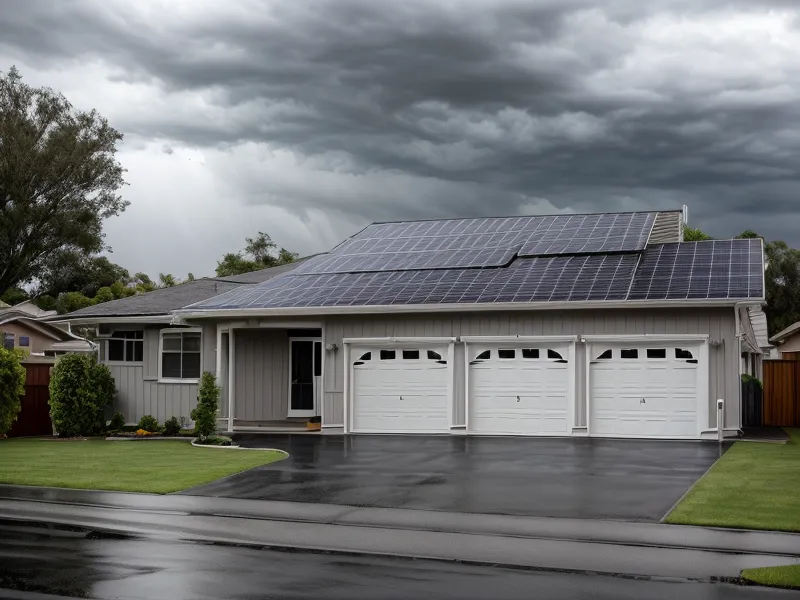
The Fixes That Never Solved Our Real Problem
Our first attempt was the same one most families reach for: a gas generator pulled out of the garage. It was heavy, it smelled like a gas station the second we filled the tank, and the pull-cord snapped clean off the one night we actually needed it running. Even when it worked, it tied us to a fuel supply chain that breaks down at exactly the moment you need it most. Pumps go dry within a day or two of a bad storm, and a generator with an empty tank is just an expensive lawn ornament.
Small portable power stations were next, and they disappointed us in a different way. They're fine for charging phones, but they choke on the startup surge a refrigerator compressor pulls, and they can't sustain a home office for more than a few hours. We wrote up what we actually needed, beyond the gear that gets marketed at preppers, in The Houston Blackout Reality: What We Actually Needed After Two Long Weeks Without Power. The trade-off between a battery system and a generator is really its own conversation — cost, noise, maintenance, all of it — and we've laid that comparison out in more detail elsewhere. Here, the point is simpler: neither a generator nor a phone-charger battery was ever going to cover a working parent and a kid on insulin.
Sizing Up a DIY Home Battery System
This is where we landed on building our own system instead of buying a pre-made box. My husband handled the assembly and testing in the garage, while I tracked what everything cost against our budget, the same way we'd plan for a big home repair rather than an impulse buy. The system we tested and still use is called the Energy Revolution System. It isn't a unit that arrives ready to plug in; it's a step-by-step blueprint you build yourself, with video walkthroughs for each stage. For anyone in a smaller space, like an apartment or a rental, we also looked at the Orgone Motor, which has a much smaller footprint and is built for keeping essential devices running rather than an entire house.
We compared this DIY route against portable solar setups for a home office specifically, which we broke down in Energy Revolution System vs Portable Solar for Home Office Backup. Noise mattered more in that decision than we expected going in — a battery system running silently next to a generator rattling the driveway is a trade-off worth thinking through before you buy anything. Whether this needs an electrician is its own question. The honest answer depends on whether you're tying into your home's main panel or just running a standalone setup, and we've covered that decision elsewhere in more depth — but the basic version doesn't require a license to assemble.
Shallow Cycling Is the Mistake Nobody Warns You About
Here's the part that surprised us most, and it's not in any of the marketing material. Once you have a battery system, the temptation is to use it constantly — running the house off it every day to shave down the electric bill, treating full energy independence as the finish line. We learned the hard way that this can backfire. Batteries that get discharged a little and recharged right back up, over and over, tend to degrade faster than ones that go through deeper, more deliberate cycles. It sounds backwards, but constant micro-charging stresses the cells more than letting them run down properly on the rare day you actually need them. A solid battery management system helps manage that, but it's still worth treating your battery as a backup first and a bill-reducer second.
For anyone testing these ideas without committing to a full build, the Power Grid Generator is a cheaper entry point built around the same basic principles, without the bigger investment. If you're juggling medical equipment on top of everything else, deciding which loads get priority is its own checklist — insulin and CPAP-type needs come first, full stop, and we won't repeat that whole breakdown here. A neighbor of ours spends his weekends bass fishing out at Lake Conroe and still couldn't tell you what an amp-hour is. When I tried explaining our capacity planning to him, he just laughed and said he'd rather worry about the fish.
The System Earned Its Keep During the Next Storm
A line of storms rolled through not long after we finished setting everything up, the kind that used to send us scrambling for flashlights and checking the freezer for melted ice. This time, the lights flickered, the street went dark, and our system just caught the load: a soft clunk from the transfer switch, then nothing but the refrigerator humming along like any ordinary afternoon. I never dropped my connection to a client's server. My husband opened the kitchen drawer where we keep our son's insulin, half-expecting a problem, and found the pen sitting there, just cold, completely unremarkable, like the outage outside wasn't even happening.
If you're staring down another hurricane season without a real plan, building a home battery system is worth the weekend it takes to set up. Start with the Energy Revolution System if you want the same blueprint we used, or start smaller if that's what your space and budget call for. Before you buy anything, though, sit down and decide what absolutely has to stay powered — medicine, medical devices, one working laptop — and size your system around that list first, not around what looks impressive in a product photo. That's the one decision rule that would have saved us a lot of trial and error the first time around.
Nothing on this website constitutes medical, legal, or financial advice. All content is based on the author's personal experience and independent research. Consult a licensed professional for guidance specific to your situation.