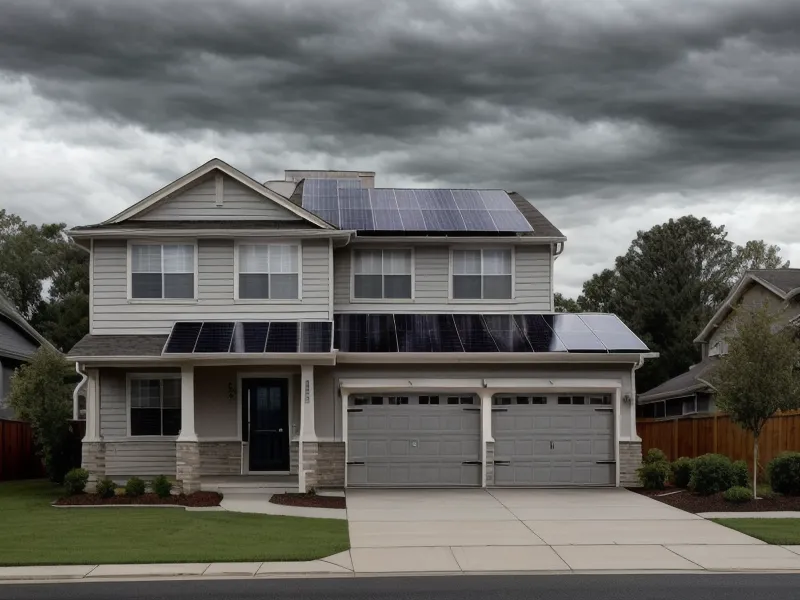
Eleven emails a week, that is roughly how many land in our inbox asking some version of the same question: where do we even start with backup power? Some readers want emergency power for a single medical device. Others are chasing full home energy independence and cannot tell a battery station from a whole-house generator. Two extended outages in the same year taught us the difference the hard way, and we built a backup battery setup around what we actually needed instead of what looked impressive in a store aisle. What follows are the disaster preparedness questions families ask us most, answered straight, no sales pitch attached.
Between the two of us, the work splits pretty cleanly. I track the research and the budget. He handles installation and testing, usually out on the concrete pad behind the garage, where every panel and every unit earns its spot only after getting tried out more than once. Most of what follows comes from both sides of that split, not just one.
How Much Home Backup Power Does a Family Actually Need?
Start with what cannot fail. Medication that needs refrigeration, a medical device, a home office that a paycheck depends on — list those first, then work backward from there. Our own list starts with a fridge holding insulin, which is a big part of why this whole project started in the first place. The exact wattage math behind sizing a battery or generator is its own rabbit hole, and we'd rather point you to a dedicated breakdown than rehash it here, but the short version holds up fine on its own: know exactly what you are protecting before you shop for a way to protect it.
Not every early attempt was smart. Before either of us understood any of this, he plugged a laptop into the truck's twelve-volt inverter and let the engine idle in the driveway to keep it charged during an outage, burning through a good chunk of a tank for a few hours of monitor time. The diesel smell that clung to his hands after refueling in the thick of August humidity was the first real clue that idling a truck is not a backup plan — it is just a slower way to run out of gas. Somewhere in sorting out a real alternative is also a trade-off between a battery that runs essentially silent and a gas unit that is louder but often cheaper for the same output, not something we can fully settle in a single paragraph, but worth knowing exists before you pick a side.
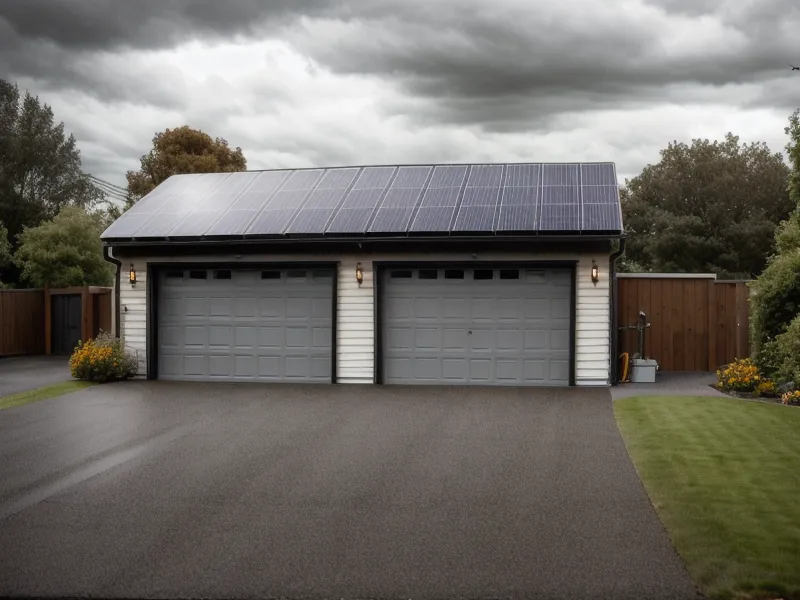
The Apartment Question: Backup Power Without a Garage
A reader named Selene wrote in from Katy, asking what someone on the third floor of an apartment building is supposed to do. No garage for a generator. No driveway for solar panels. Every guide she found assumed both. She had clearly read every review on the market already and still could not decide what to buy, which is a very relatable place to land.
For situations like hers, the calculus changes completely. A compact battery station that plugs into a regular wall outlet does not care whether you own a driveway, and small solar panels can sit on a balcony rail in decent weather. Whether that kind of battery setup beats a cheaper generator on value is a longer argument than fits in one paragraph, and honestly the apartment itself answers most of it — a generator is off the table indoors, so the comparison mostly settles before it even starts. Where a setup like hers lands on the spectrum between one small battery in a closet and full surviving the Houston hum independence is really its own question, worth mapping out separately.
Why Solar Alone Won't Carry You Through a Week
Solar sounds like the complete answer until it has to carry a household through several cloudy, rainy days in a row, which is exactly the kind of week a hurricane produces. Panels only make power when the sun cooperates, and storm systems are not known for cooperating. We treat solar as a way to top off batteries on the good days, not as the only source once the grid has already been down for a while.
He has set panels up on the concrete pad more times than either of us can count, testing angles across a normal afternoon just to see what actually charges fastest. Nothing about it is dramatic. It became routine the same way checking mirrors before backing out of a driveway becomes routine — something you do without thinking about it anymore.
Transfer Switches and the Legal Fine Print Nobody Reads
A transfer switch is the piece most families skip, and it is the one piece you genuinely should not skip. Running a cord through a cracked window might get you through one rough night, but it is not a real plan, and in most places it is not legal to connect backup power straight into your home's wiring without one. Brock, who assistant-coaches little league with my husband and works as a licensed plumber, does not hedge about stuff like this — he is blunt to a fault, but more often than not he is right, and this was one of those times. We hired a licensed electrician to install ours rather than attempt it ourselves. Whether a given piece of your setup is safe to install yourself or needs a professional is exactly the kind of decision that deserves its own dedicated answer instead of a quick guess buried in a longer article.
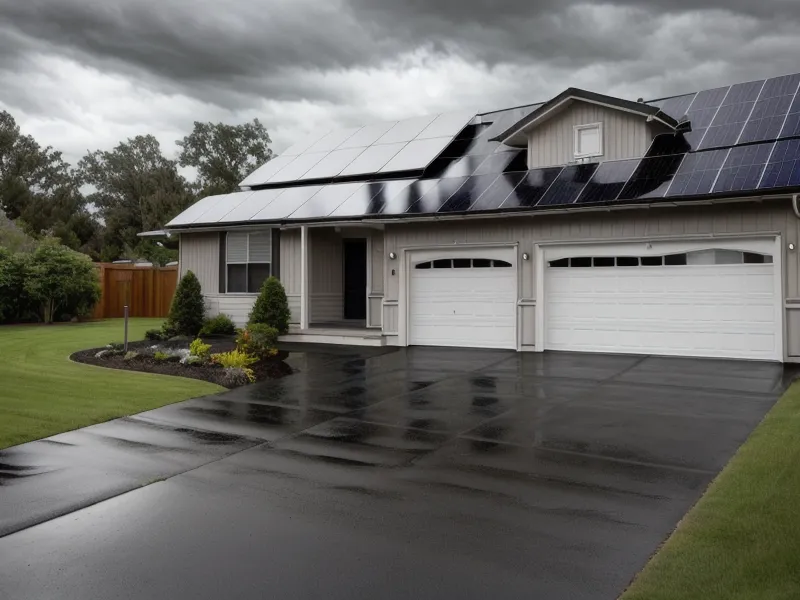
Picking What Runs First When the Power Fails
Priority order matters more than total capacity ever will. If someone in the home depends on refrigerated medication, that circuit goes first, before lights, before Wi-Fi, before anything else on the list — a decision that shapes which generator or battery setup even makes sense, and it deserves its own dedicated look rather than a paragraph buried here. That is exactly why a reliable battery backup for refrigerator and medical supplies came before anything else on our own list.
After that, priorities get more personal. Medication came first for us, the home office came second because deadlines do not pay themselves, and fans, lights, and the kids' tablets filled in around whatever capacity was left. None of this means normal life stops — we still pack the car for a walk along Galveston's Seawall Boulevard on a clear weekend — it just means the boring groundwork gets handled before the calm days run out. Your list will look different. Write it down before the next storm watch goes up, not during it.
The clearest proof it was working came on an ordinary afternoon, not a dramatic one. I was deep in a client's design files when I looked up and realized the block outside had gone quiet, the kind of quiet that used to mean the grid had failed. This time it just meant the battery under the desk was doing its job without asking for attention, and I had not even noticed the outage window had opened.
Is a Twelve-Month Emergency Power Plan Really Necessary?
Twelve months sounds like a long runway for something that might only matter a handful of days a year. It is not, really. Spreading the cost and the learning curve across a year means you are not buying a battery station, solar panels, and a transfer switch in the same panicked week before a storm, which is exactly when prices spike and shelves empty out. Layering pieces in over time, starting with whatever you cannot live without and building outward from there, gets you to the same place with a lot less chaos.
You can see some of those early choices play out in more detail in our earlier Texas grid backup power trial, including a few decisions we would not repeat. None of it required us to become electricians or study a full photovoltaic diagram before getting started. You do not need a survivalist mindset to want your family's basics covered when the grid has other plans. You just need a list, a budget, and twelve months you were probably going to spend anyway.
Nothing on this website constitutes medical, legal, or financial advice. All content is based on the author's personal experience and independent research. Consult a licensed professional for guidance specific to your situation.