
Four trips. That's how many times my husband drove out before dawn last year, trying to stockpile bags of ice before our outage got any worse, coming home each time with less than he needed. That was the second blackout in twelve months, and somewhere around trip three I remember thinking this couldn't keep being our version of hurricane preparedness. We needed real backup power, not a man in pajamas racing a melting cooler.
The two outages had nothing to do with each other. One came after straight-line winds, the other after a transformer fire near Houston. But they left the same mess behind. I run a graphic design home office out of a spare room, and three straight days without power meant three days of client deadlines gone. My husband spent those same days checking on our youngest's insulin every few hours, because medical backup isn't something you get to postpone until the weather clears.
Funny thing: the weekend before that second outage, we'd walked the kids along Galveston Seawall Boulevard, watching the surf churn rougher than usual. Nobody mentioned the forecast twice. Kids splashed at the tideline, we ate lunch out of a cooler, and not one of us clocked that the same system stirring up that water would take our power out four days later.
The Generator We Thought Would Save Us
After the first outage, we did what most people do — bought a mid-sized gas generator and assumed the problem was solved. It ran, technically. It also meant fuel runs, a constant carbon monoxide worry, and noise loud enough that a neighbor two doors down shouted over the fence to ask if we were okay. That same neighbor had his own generator going that week. We could hear it roaring through the rain until it just stopped, mid-storm, out of fuel, and the quiet afterward felt worse than the noise had.
Whether a battery system beats a gas generator really depends on how often your power goes out and for how long, and that comparison is worth working through before you buy anything. For us, the fuel logistics and the noise alone tipped it hard toward batteries.
What Actually Made Us Trust an Energy Revolution Setup?
Once the generator lost its shine, we started calling our approach the Energy Revolution setup, mostly as shorthand for a battery-and-solar combination instead of one loud machine in the driveway. We laid out the full list of what convinced us in our post on The Houston Blackout Reality: What We Actually Needed After Two Long Weeks Without Power, which is worth a read if you're starting from zero. The setup itself uses an inverter to turn stored battery power into the current our outlets actually use, and it rolls on a cart between the kitchen and my office instead of living outside under a tarp.
There's a whole spectrum between staying fully tied to the grid and going completely independent from it, and most families land somewhere in the middle. Setting a system like this up without hiring an electrician is possible too — we did exactly that, working through the manual step by step instead of guessing at wiring, though anything permanent should still go through a licensed professional. We keep an eye on the forecast every hurricane season now, but planning ahead of time instead of scrambling after the fact is most of what actually changed.
Medical Backup Isn't Optional in Our House
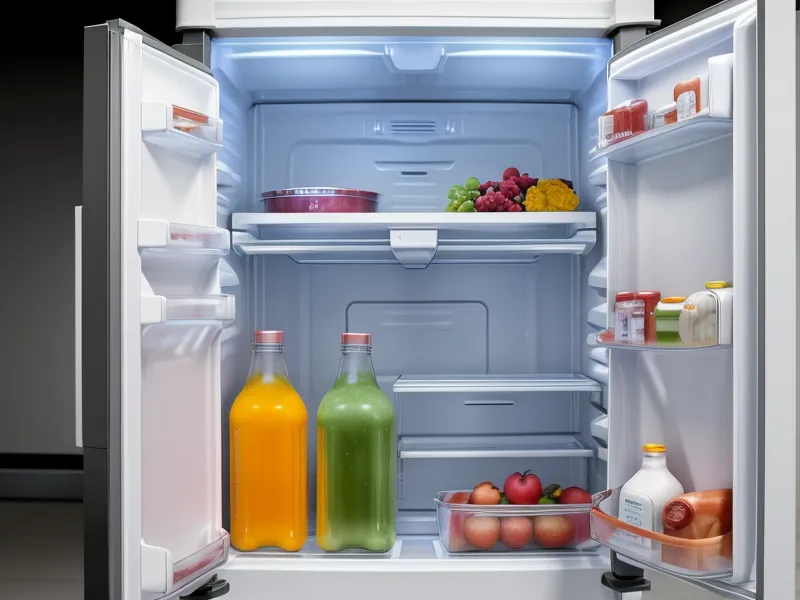
Insulin has to stay within a narrow temperature range, and a Houston house without air conditioning climbs fast. During that second outage, my husband spent his early mornings on those ice runs, never quite trusting the cooler was holding. Prioritizing medical equipment above literally everything else in the house changes how you shop for backup power. It stops being about convenience and becomes the one requirement you don't negotiate on.
We called Miriam, a friend since her early days as a client of mine, because she trained as a pharmacist and would give us a straight answer instead of a panicked one. She has this way of going completely calm the moment something is actually serious, and just as quickly losing patience with anything that isn't. She listened to the storage question for maybe ten seconds before telling us plainly what mattered and what didn't. That call did more for my nerves than any spec sheet ever could.
Running a Home Office Through a Storm
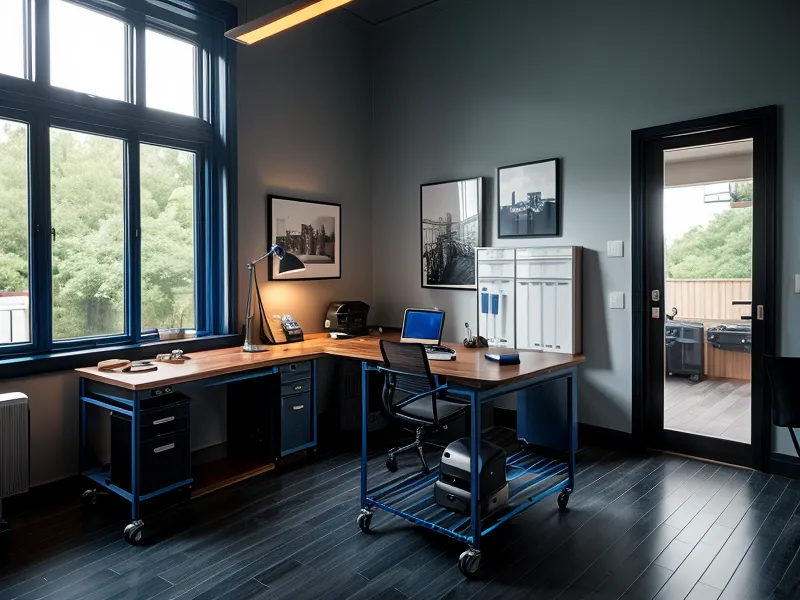
My side of this is mostly about deadlines. A dual-monitor setup and a design workstation pull more power than people expect, and a router blinking out mid-upload has cost me actual client trust before. What changed things wasn't the size of the battery. It was that the output stayed clean enough for sensitive electronics instead of the rough, stuttering power some cheaper units put out. I don't need to understand exactly why that matters to know that it does — my laptop and monitors stopped randomly rebooting mid-storm.
Quieter power almost always means less raw output, and that trade-off is worth understanding before you assume bigger is automatically better. We didn't need to run the whole house. We needed to run four or five specific things, quietly enough that we could still hear each other talk over dinner.
The Math We Do Without Being Electricians
Neither of us is an electrician, so the number-crunching we do stays deliberately simple: what draws power, roughly how much, and how long we need it to last. We don't get into full wattage math here — that's a rabbit hole we've picked apart elsewhere — but knowing your fridge and your medical equipment are non-negotiable before you even look at a spec sheet saves a lot of wasted money. Nothing fancy. Just the fridge, the workstation, a lamp or two, and the insulin storage.
That's roughly the same instinct as pricing out a road trip before you leave. You don't need to know the cost of every gas station between here and the coast, you just need to know your tank size and your route. Backup power works the same way, minus the coast.
By Week Five, We'd Stopped Watching the Radar
Somewhere around the fifth week of running drills with the new setup — plugging things in, timing the fridge, testing the workstation during ordinary evening thunderstorms instead of just the big ones — I stopped tracking outages by the clock. I remember sitting at my desk mid-storm, deep in a client's design files, and only noticed the porch light wasn't on when I glanced up out of habit. The backup had been running the whole time, quiet enough that I hadn't clocked the grid dropping at all. Downstairs, the kids didn't even glance up from their tablets when the storm hit its worst.
That's the one thing I'd tell any family in a storm-prone area before they buy anything: the real measure of backup power isn't how big the battery is, it's whether you stop noticing the outage while it's happening. It's part of why we eventually wrote about Beyond the Gas Can: Why We Chose a DIY Solar Setup Over a Whole-House Generator After Two Houston Blackouts instead of the permanent whole-home option, and out of everything we've tried, it's still the one we'd point another family toward first. We're not preppers or electricians, just a graphic designer and a little league coach who got tired of racing coolers full of ice before dawn. If the lights staying on means I forget to check, that's the whole point.
Nothing on this website constitutes medical, legal, or financial advice. All content is based on the author's personal experience and independent research. Consult a licensed professional for guidance specific to your situation.