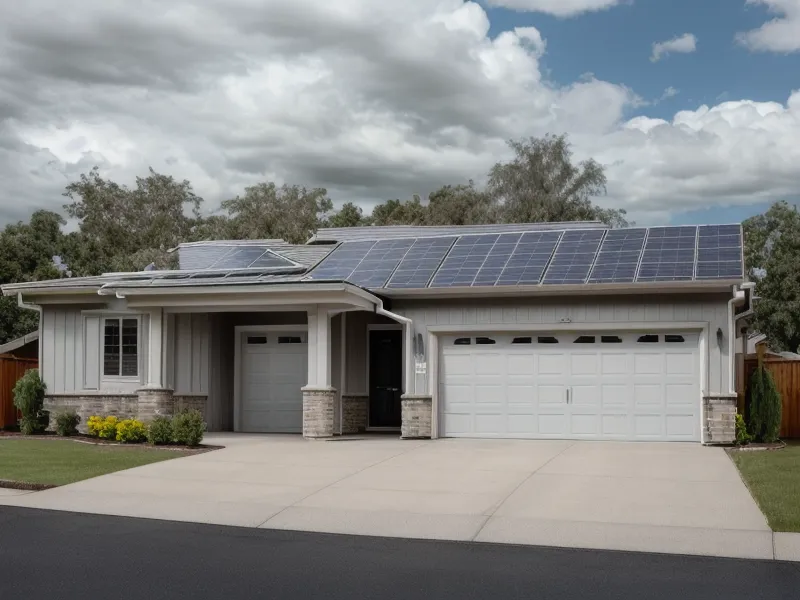
Our smallest refrigerator has exactly one job: keep insulin between thirty-six and forty-six degrees, no exceptions, no negotiating with the thermostat. That one job is why emergency power stopped being a prepper daydream in our house and became a plain household requirement. We live southeast of Houston, in hurricane country, where a multi-day grid failure isn't a rare disaster — it's closer to a bad Tuesday in July. Medical safety and a full freezer were both on the line every time the lights went out, and getting refrigerator backup power right came before anything else on our list.
Quick disclosure before we go further: some of the links in this post are affiliate links, and if you buy through one, we earn a small commission at no extra cost to you. Everything here comes from testing these setups ourselves through real Houston outages — we're not electricians, and we're not preppers, just a family that got tired of guessing.
What a Medical Refrigerator Actually Needs From Backup Power
Before we owned any real backup system, our first fix was a chest freezer packed with bags of dry ice, trying to force the insulin fridge cold by sheer volume. It worked for a stretch, then the dry ice burned off faster than expected, and we were back to guessing the temperature with a kitchen thermometer and a lot of crossed fingers. That failure made one thing obvious: what a small medical fridge needs isn't a bigger cooler or more ice. It needs continuous, stable power running the actual compressor, on a schedule nobody has to babysit.
Modern high-efficiency refrigerators are also pickier than people expect. Many want something close to a pure sine wave, and feeding one a dirty or unstable current risks frying the control board, a repair that costs nearly as much as a new fridge. So the real requirement was never "more power." It was clean, steady power, sized to run a full compressor cycle rather than just spike once and quit. How many watt-hours that actually adds up to, worked out properly, is a longer calculation than fits in one section. We'd rather point you toward doing that math carefully than hand-wave a number here.

Why We Ruled Out the Big-Box Portable Power Station
We spent real time comparing the sleek all-in-one power stations that show up in every hurricane-season ad. One box, one battery, done — that was the pitch, and it's a tempting one. The catch we didn't see until we dug into it: those lithium-ion packs degrade faster when they sit at full charge for months, which is exactly what happens when you charge one, tuck it in a closet, and wait for a storm that might not show up for two years. By the time you actually need it, the battery underneath may not hold the capacity you paid for.
Is a Loud Gas Generator Worth It for One Fridge?
He coaches little league, and at least half the dads on that team run gas generators for tailgates as much as storms. They work, but they're loud enough to argue with a neighbor over, they need stabilized fuel sitting around the garage, and during a flood the nearest open gas station might as well be on the moon. One neighbor of ours spends most weekends bass fishing out at Lake Conroe and never gave backup power a second thought, until his own outage hit and he started asking us questions every storm season since.
There's a specific ache that comes from hauling a full five-gallon gas can from the car trunk to the backyard, more than once, during a run on the pumps — that alone made the case for something we didn't have to keep refueling. We wanted an appliance, not a lawnmower: something closer to a tiered redundancy home backup power strategy than a single loud box parked in the driveway. The quiet-versus-loud trade-off between a setup like that and a traditional gas generator is really its own comparison, but for a family with a kid sleeping down the hall, quiet won without much debate.
Choosing Between the Whole-Home Blueprint and the Compact Option
Once we'd ruled out the sleek battery boxes and the loud generators, we landed on a build-it-yourself approach built around resonance energy recovery principles. The pitch sounds more complicated than the actual assembly, which uses common parts from a regular hardware store and a parts list simple enough to follow with a screwdriver and some patience. Neither of us is an electrician, and getting a system like this running without calling one in is really its own question, worth researching on its own before you start.
There are a couple of ways to go about it. One version is a complete, step-by-step video build aimed at a more robust whole-home setup, more involved and more capable. The other is a smaller, compact build sized for just the essentials, closer to what fits in an apartment or a single room. So which one do you actually need? For a family focused on one medical fridge and a work laptop, the compact version covers the job just fine. A family trying to back up more of the house would lean toward the fuller build instead. Whether a battery-based build like either one truly beats a generator for the money is a bigger argument than we can settle in one post.
We went with the more budget-friendly build, since it matched our specific setup and didn't ask us to rewire the house. You can read more about the budget-friendly way to keep the lights on using that exact setup, including the parts we used.
Testing the System Before You Trust It With Insulin
Our priority from day one was the small medical fridge. Neither of us has medical training, and neither of us is a doctor, so this is only what worked for our specific setup — talk to your own doctor before trusting any DIY arrangement with medication that matters. How you rank medical equipment against everything else on the panel is its own conversation, one worth having before a storm rather than during one, but for us the fridge and one laptop circuit were non-negotiable from the start.
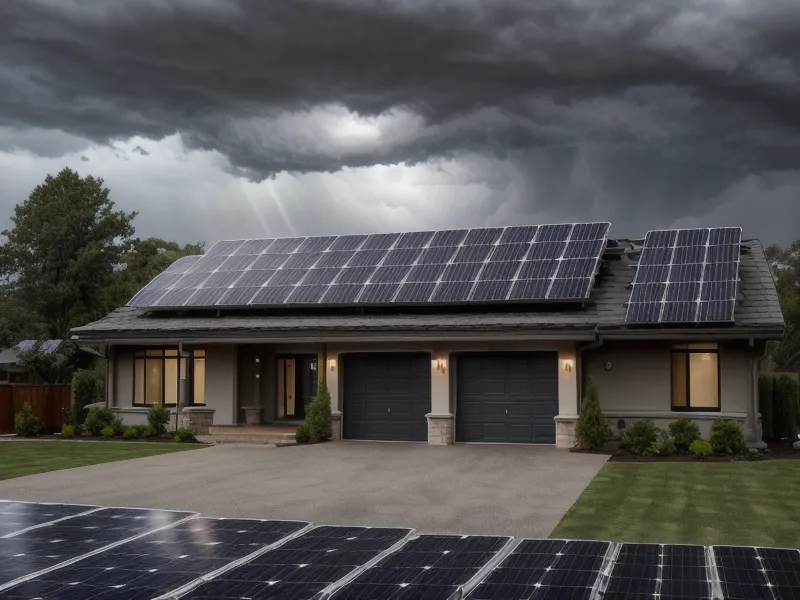
We tested the setup over a weekend in the dead of winter, cutting the breaker to the kitchen circuit that fed the fridge, just to see what would happen. The compressor didn't even stutter. It kept pulling the steady current that sensitive electronics need, no drop, no restart cycle, nothing dramatic at all. The clearest proof it actually worked came later, during a real outage, not the test one: I walked into the kitchen on an ordinary morning and just made coffee, because there was nothing left to check. That's a low bar for a system like this, but it's the right one — it should be boring.
Where Emergency Power Fits Into a Houston Family's Routine
Roughly four years into this now, since that first outage forced the issue, the feeling in the house during hurricane season is different than it used to be. When the sky turns that heavy greenish color and the wind starts moving the trees, the fridge is no longer the thing keeping either of us up at night.
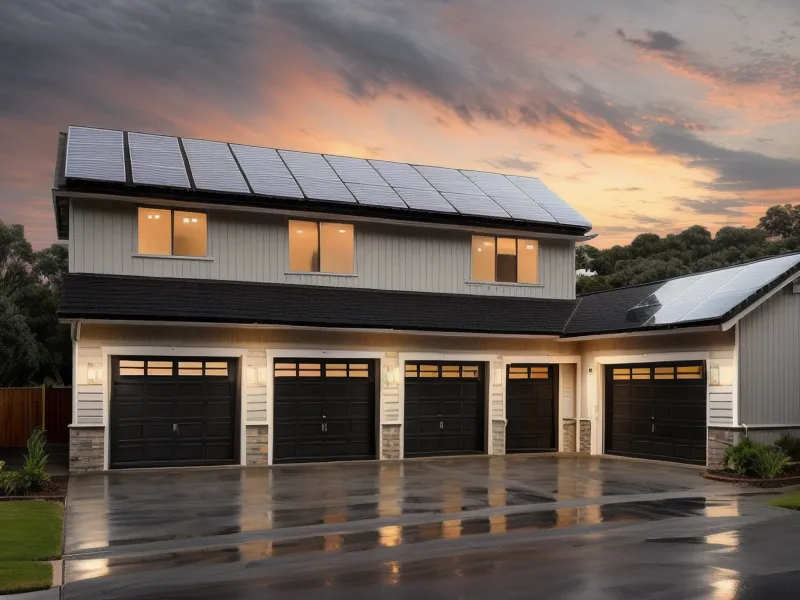
She works from home as a freelance graphic designer, and losing three days of client deadlines during the worst outage is what put a real cost on all of this for her, no dollar figure needed to make the point. Now her laptop and router stay charged through outages that used to mean radio silence with clients for days at a stretch. None of this makes us fully independent from the grid, and it doesn't need to — grid independence isn't an on/off switch, it's closer to a spectrum, from one backed-up fridge circuit all the way up to a fully disconnected house.
The Bottom Line for Refrigerator Backup and Medical Safety
If you're tired of treating every storm warning as a coin flip for your fridge, the fix doesn't have to be complicated or expensive. You can read about how we kept the whole setup Houston-proofing our home for under a hundred bucks, well below the price tag of the flashier "solar generator" units we tried first.
We started with the Power Grid Generator system because it matched our budget and our actual needs, and it turned out to be one of the better decisions we've made for the house. This is a family safety project, not a substitute for professional advice — always check with a licensed electrician before installing or running any backup power equipment, and follow your local codes. But if a single ordinary morning of normal coffee and a cold insulin fridge sounds like a fair trade for a little upfront effort, it's worth a serious look before the next storm season, not during it.
Nothing on this website constitutes medical, legal, or financial advice. All content is based on the author's personal experience and independent research. Consult a licensed professional for guidance specific to your situation.