
Backup systems come in two types: ones you understand down to the last connection, and ones you grab off a shelf and never think about until they fail. We've run both experiments on our own house outside Houston, and the honest answer still depends on what's plugged into the wall when the grid goes down.
Quick disclosure before anything else: a few of the links below are affiliate links, and buying through them earns us a small commission at no cost to you. We only recommend emergency backup power gear we've actually plugged in during a real outage — nothing here is theoretical.
Two Storms, One Lesson We Didn't Expect
Two outages hit our house in the same year, three weeks apart, and neither one cared that my design deadlines or our son's insulin came with zero flexibility. Our neighbor Cheryl showed up on the second night with a plate of food and one blunt question: what was our actual plan for day three, not hour three?
The first thing I bought after that was a small UPS unit from an office supply store, the kind meant to save a desktop computer during a brief brownout. It kept our WiFi router alive for one shaky video call before it beeped itself to death — nowhere close to what a fridge or a medical cooler actually needs.
A borrowed gas generator down the block wasn't much better. It ran fine until the tank went dry, and with the nearest station also without power, it sat quiet for the rest of that outage.
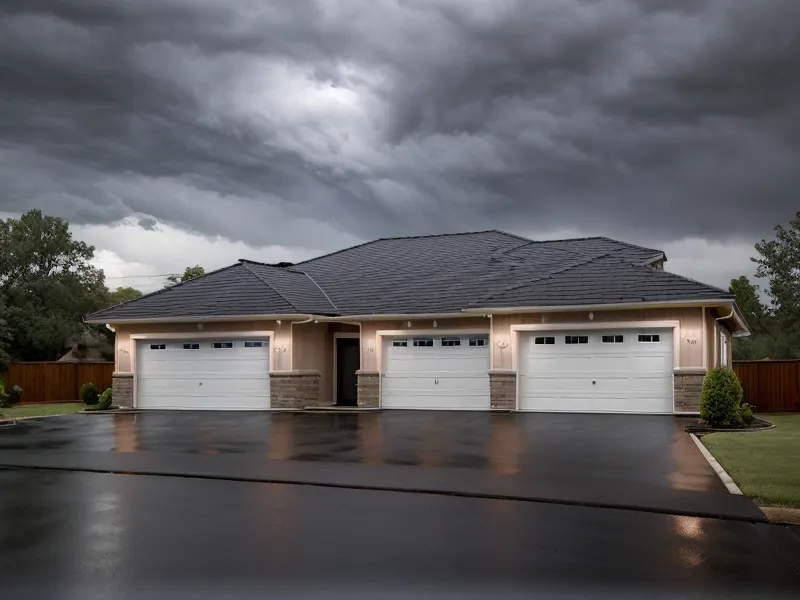
Cheap Backup: When It Isn't Really Backup
Cheap backup gear tends to fail in one of two ways: it can't deliver enough power, or it delivers plenty and hides a trade-off nobody mentions in the ad copy. The little portable solar chargers we tried could top off a phone in direct sun, but not one of them could produce the surge a fridge compressor needs just to switch on, and that's a very different kind of math than most people expect before they buy.
Noise matters more than we expected, too. A generator loud enough to rattle a neighbor's windows isn't something you want running at 2 a.m. near a nursery, and the quieter options we tested usually traded away raw output to get there.
Anything that burns fuel indoors is a hard no in our house. Carbon monoxide doesn't announce itself, and that single rule has ruled out more gear for us than price ever has.
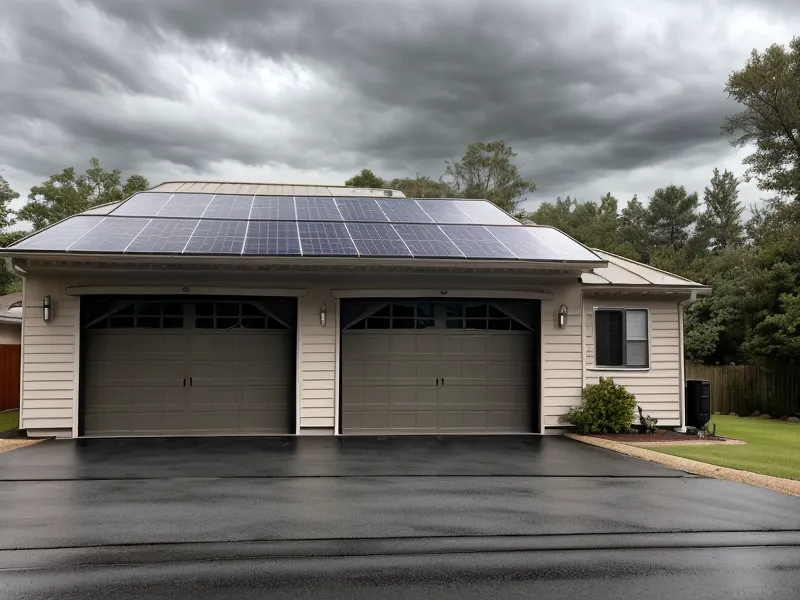
Building DIY Energy Solutions You Actually Understand
For friends in apartments or condos with strict HOA rules, the Orgone Motor is the compact option we point them to — enough for a modem, a few lamps, and a phone, not a whole kitchen.
What actually changed things for our own house wasn't a bigger machine, it was a blueprint. The Energy Revolution System is a digital build guide rather than a box you plug in, which meant no electrician had to come out before we could start, and that swap toward energy independence felt like the biggest shift of the whole year.
My husband tested every claim before either of us trusted it with anything medical. We're naturally skeptical of anything that sounds like free electricity, and we'd tell you to be too — verify what a build can and can't power before it's responsible for a fridge full of insulin.
For someone starting from zero on a tight budget, the Power Grid Generator is the cheaper entry point some of our neighbors have leaned on, one piece of a layered setup rather than the only piece, somewhere between doing nothing about outages and going fully independent from the grid.
Four hurricane seasons of testing has taught us that a system needs to survive more than one storm before you trust it, not just a single good outage.
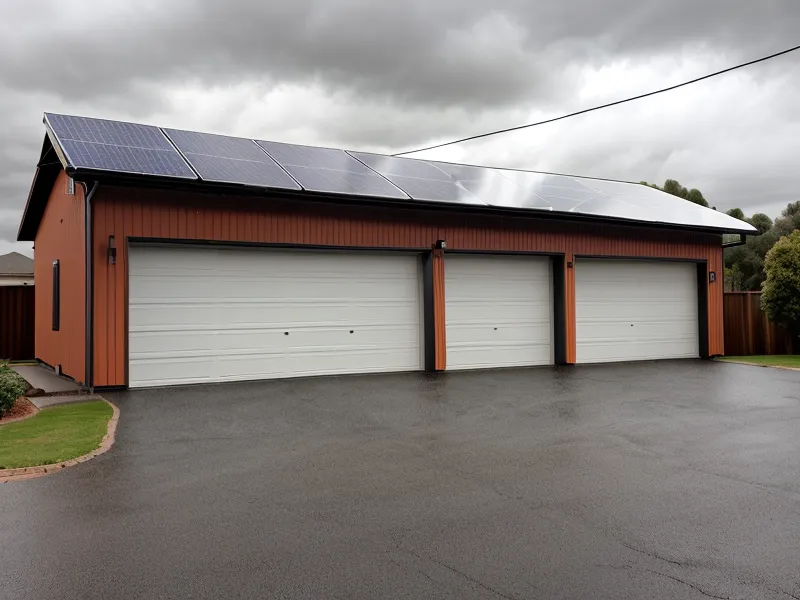
Cheap Fixes and Real Systems Solve Different Problems
A neighbor named Dwight found the site after last year's storm season and asked us straight out which of these actually holds up when a home oxygen concentrator is what's riding on the outlet. That's the real question underneath all of this: the first hour of an outage is for figuring out what absolutely cannot lose power, not for troubleshooting whatever's closest.
The clearest proof came the next time our block went dark. I opened the storage drawer expecting the worst and found the insulin pen sitting exactly where we'd left it, still cold, completely unbothered by the whole thing.
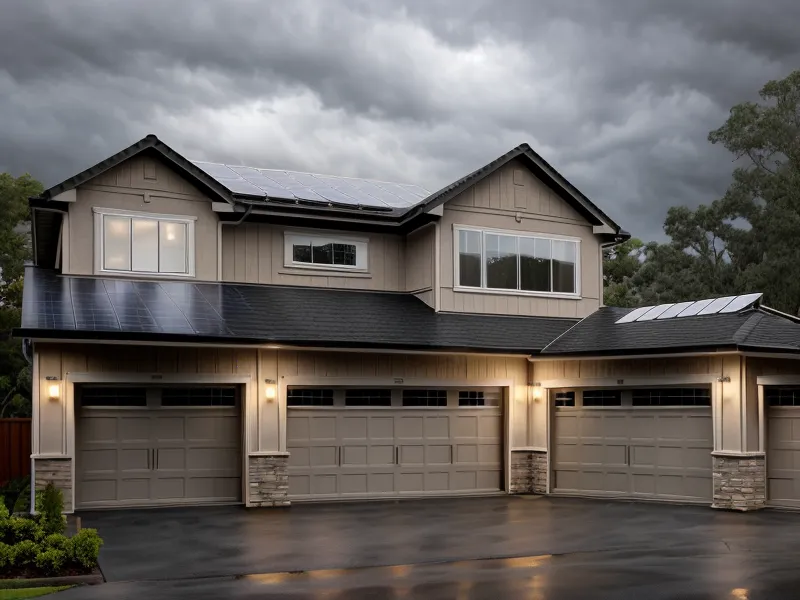
So here's where we land: a small UPS or a basic gas unit is plenty if all you need is a bridge for a router and a lamp during a short flicker. Something built for the long haul, like a blueprint system, earns its keep when a fridge, a cooler, or medical equipment can't afford to fail for three days straight. Battery-based setups and fuel-burning generators aren't really competing products once you frame it that way; they're answers to two different questions.
We go deeper on that first-hour thinking in solving three-day blackout anxiety, if a single overnight flicker isn't really what's keeping you up at night.
If you're ready to stop guessing, the Energy Revolution System is still the build we trust most for a whole house, and we broke down exactly how it performed under real storm conditions in keeping the lights on and the insulin cold.
Neither of us wants to sell you on fear. We'd rather you find out which category your setup falls into before the next storm, not during it.
Nothing on this website constitutes medical, legal, or financial advice. All content is based on the author's personal experience and independent research. Consult a licensed professional for guidance specific to your situation.