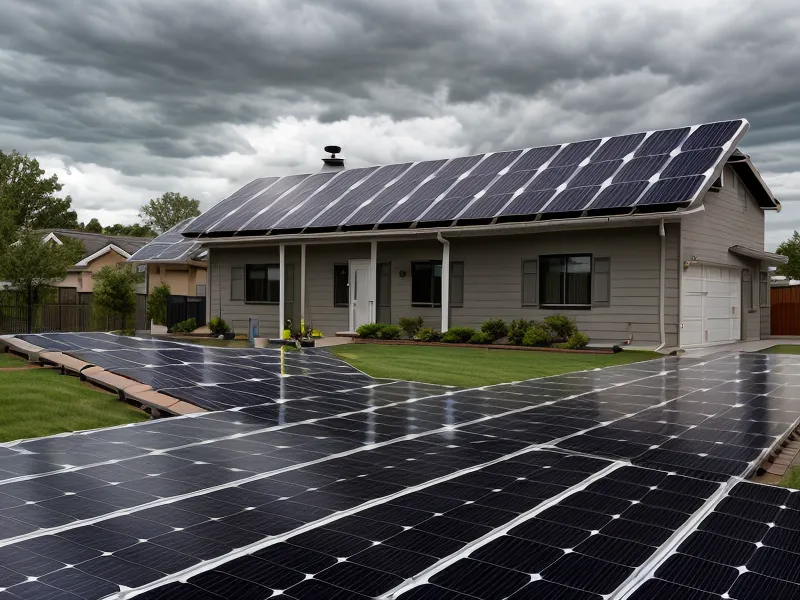
Late at night, the Houston humidity feels like a wet blanket you can't kick off. I was sitting in that thick air last August, watching the red light on our youngest's insulin cooler blink a warning while my laptop battery finally gave up mid-render. No lights, no fans, and three days of client deadlines vanishing into the dark.
Before we go further, heads up—this post has affiliate links. If you buy through them, I earn a commission at no extra cost to you. I only share backup power solutions our family has actually tested during real outages. I am a graphic designer, not an electrician, so take our experience as a family's journey, not professional advice.
Twice Bitten, Never Again
We went through two extended power outages in the same year. The first one was an inconvenience. The second one was a crisis. When you are a freelance designer, losing three days of work is a financial hit you feel for months. When you are a parent, watching the temperature climb in an insulin cooler is a level of stress I wouldn't wish on anyone.
We looked at the traditional gas generators our neighbors have. They are loud, they require you to store fuel, and they are frankly dangerous if you don't have a massive yard. For anyone living in a high-rise or a tight condo complex, they are a total non-starter. You can't run a gas engine on a balcony without risking carbon monoxide poisoning, and most complexes ban them anyway. We needed something silent, safe, and reliable.
The High-Rise Reality of Backup Power
Most preparedness advice assumes you have a suburban quarter-acre. But what if you don't? Standard portable generators must be operated at least 20 feet away from windows to prevent carbon monoxide buildup. If you are in an apartment or a dense housing development outside Houston, that 20-foot rule is impossible to follow. You're basically trapped with no options when the grid fails.
That is what led me to research the Energy Revolution System. I handled the budget tracking—which was tight after losing those client projects—and he handled the technical deep dive. We wanted something that didn't rely on the local gas station being open or a delivery truck being able to reach us through 74 mph winds, which is the minimum for a Hurricane Category 1 storm.
We decided to test three different DIY systems over the course of about 10 months, starting late last summer. We weren't looking for a 'prepper' bunker setup. We just wanted to keep the fridge cold and the Wi-Fi on.
Testing the Energy Revolution System
This was our primary project. It’s a blueprint-based system that claims to provide independent power without fuel. I'll be honest: the assembly was a test of patience. One humid morning in June, I was in the garage trying to follow the video instructions. I remember the frustration of stripping a copper wire too short and having to re-watch the same three-minute video clip four times just to get the connection right. My hands were sweaty, and the garage felt like an oven.
But once it was together, the difference was immediate. We hooked it up to a test load to ensure it was hitting the standard US household electrical frequency of 60 Hz. It did. We didn't need an electrician's degree, just the ability to follow a checklist. If you are just starting your off-grid power journey, this kind of DIY approach is much more approachable than trying to wire a whole-home solar array.
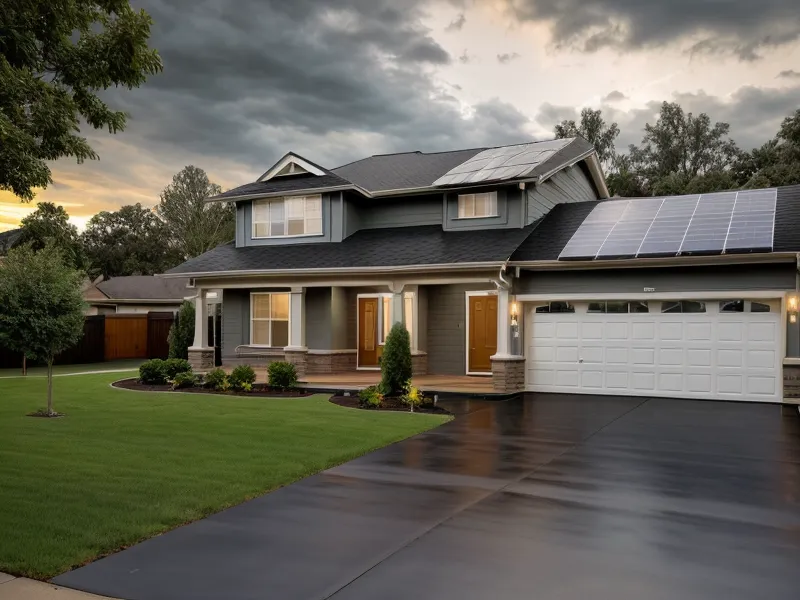
The Turning Point: A June Thunderstorm
The real test came mid-October during a freak storm that knocked out a local transformer. Usually, this is where the panic starts. Instead, he wheeled the system into the utility closet. Compared to the bone-rattling roar of the neighbor's gas generator outside, our system had a low, almost imperceptible hum. It was quiet enough to run in a bedroom if we had to.
I plugged in my workstation and the fridge. A standard refrigerator can keep food cold for about 4 hours during a power outage if the door remains closed, but we needed more than four hours. We needed days. I watched the monitor as the system held steady. For those in smaller spaces, this is the ultimate apartment-safe backup strategy.
The most important moment? Checking the insulin cooler. Health organizations generally recommend keeping insulin between 36-46°F. I saw the physical weight lifting off my husband's shoulders when the 46-degree reading on the cooler stayed steady during a six-hour grid failure. No ice runs, no stress, no emergency calls to the pharmacy. Note: I have zero medical training, so you should always check with your doctor about your specific medical storage needs, but for us, this was the win we needed.
Two Other Devices We Tried
We didn't just stop at one. We also looked into the Orgone Motor. This one is much more compact. While it didn't have the 'oomph' to run the main refrigerator, it was perfect for my home office setup. It kept my router and laptop powered so I could actually hit my deadlines this time. If you’re mostly worried about powering your Wi-Fi and laptop, a smaller unit like this is much easier to manage.
We also spent about $49 on the Power Grid Generator blueprints. This one is a budget-friendly option that uses resonance principles. It’s a bit more experimental, and I’d say it’s better as a secondary backup rather than your main source. It’s good to have 'backups for your backups' when you live in a place where the grid feels like a suggestion rather than a guarantee.
What We Learned After a Month of Testing
After about a month of testing these systems in real-world Houston conditions, our perspective changed. We stopped feeling like victims of the utility company. We realized that self-reliance doesn't require being a survivalist. It just requires a plan and the right tools.
If you're tired of the 'wait and hope' strategy every time a storm cloud rolls in, I highly recommend looking into a DIY build. The Energy Revolution System gave us the capacity we needed for the big appliances, while the smaller units handled the office. It’s a tiered approach that actually works for a normal family budget.
Don't wait until the lights flicker to start your research. We've been there, sitting in the dark, and it's a lot easier to build your peace of mind when the sun is shining. If you're ready to stop relying on a grid that wasn't built for our modern weather, check out the system we used to get our house back in order.
See the DIY system that kept our insulin cold and my deadlines met here.
Nothing on this website constitutes medical, legal, or financial advice. All content is based on the author's personal experience and independent research. Consult a licensed professional for guidance specific to your situation.