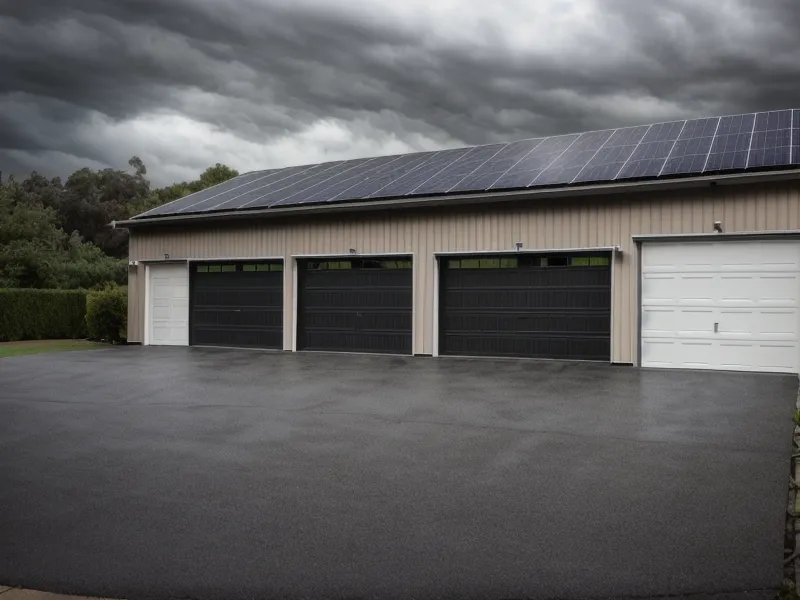
The screen went dark mid-drag, right as I was moving a finished logo file into a client's folder, and half a second later the fridge compressor in the kitchen clicked off too. When your home office runs on the same circuit as a kid's insulin storage, an outage stops being a minor inconvenience and turns into two emergencies at once. Neither of us is an electrician, and neither of us pictured ourselves comparing DIY energy systems for fun, but two extended blackouts in the same year will change that fast.
Quick disclosure before we get further into this: the post below contains affiliate links, and if you buy through one, we earn a commission at no extra cost to you. We only recommend backup power options we've actually run through a real Texas outage in our own house, and you can read our full disclosure policy here.
Why We Stopped Trusting the Grid With Insulin and Client Deadlines
Our first bad outage, I tried keeping the insulin fridge cold with a chest freezer packed with bags of dry ice, on the theory that colder was safer. It wasn't. The temperature swung more than a small fridge running steady ever would, and I spent that whole stretch checking a thermometer every couple of hours instead of sleeping.
He was at Kemah Boardwalk with the kids the afternoon the second storm warning came through, watching the boats come in early while the sky went that flat gray we've learned to take seriously. By the time we got home, the power was already flickering. A neighbor of ours, the kind of guy who spends his weekends bass fishing out at Lake Conroe and not thinking about any of this, texted to ask if we needed to borrow a generator. We didn't have one to offer back, which told us something about where we actually stood.
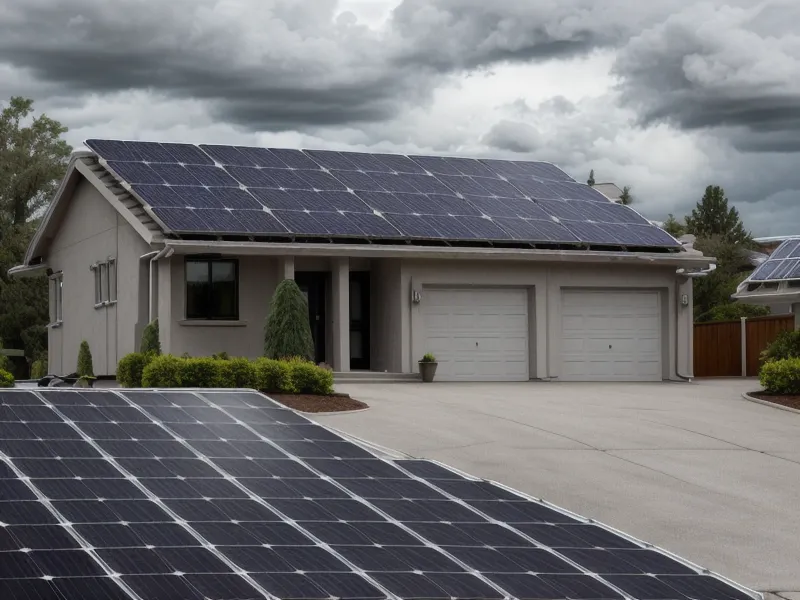
The Trade-Off We Actually Cared About: Runtime vs. Recovery Speed
We're not going to walk you through watt-hour math here. That's its own rabbit hole, and we already covered the deeper version of it in Beyond the Gas Can: Why We Finally Traded Our Loud Generator for a Multi-Layered Backup System, including why a gas generator's extra runtime wasn't worth the fuel storage and noise for our house. What mattered more to us day to day was simpler. How quiet a unit ran. How fast it recovered after a gray, overcast stretch with barely any sun. Whether it could carry the fridge and my monitors at once without either of us babysitting it.
Picking the System That Runs Both the Office and the Fridge
After comparing options for weeks, we landed on the Energy Revolution System as our main setup. It doesn't arrive built. It's a full blueprint with video walkthroughs, and he's the one who actually put it together piece by piece over a couple of weekends while I tracked what we were spending against our own budget.
What sold us wasn't a spec sheet. It was that it ran my workstation and kept the fridge compressor cycling normally at the same time, which is the one thing we actually needed it to do. Keeping insulin at a safe temperature isn't something either of us is willing to gamble on, so anything we kept in rotation had to prove it could carry both loads before we trusted it around our kids.
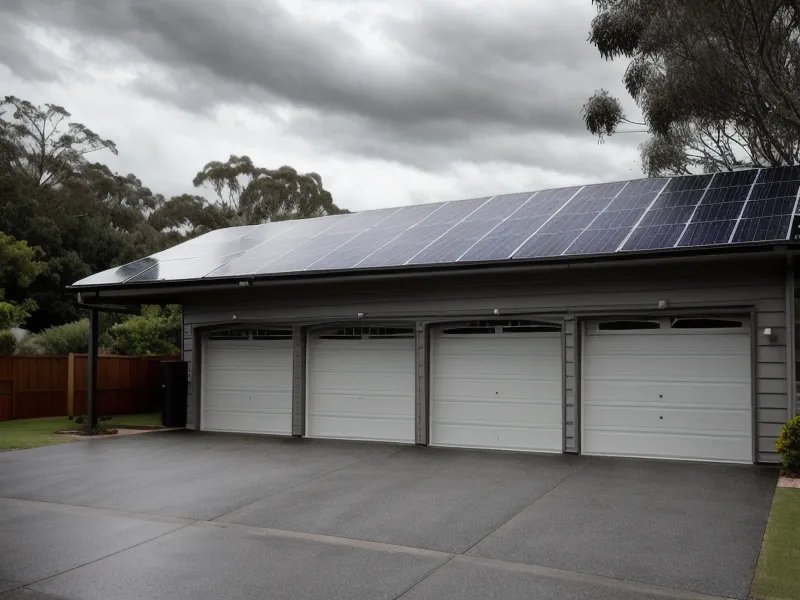
What About Something Smaller, Just for the Medication?
Not every household needs to power a whole kitchen. If the priority is a small dedicated fridge for medication, the Orgone Motor setup has a much smaller footprint, which makes more sense for an apartment or a single dedicated cooler than for a full home office setup. We ran it on its own for weeks with a small dedicated cooler standing in, and it held steady without complaint.
On the other end, if the goal is just keeping a phone and a laptop charged so you're not losing hours of work the way I did during that first outage, the Power Grid Generator is a reasonable entry point. It won't touch a central air unit, but it covers the basics without much fuss. We go deeper on how to think through priority order when medication is involved in Choosing the Right Power Grid Generator for Your Specific Medical Needs, since that's really its own decision tree and deserves more room than a paragraph here.
Where the Three Options Landed After Testing Them Through Storm Season
Here's how the three of them shook out for us after living with them through this year's storm season. A couple of setups we originally considered didn't make this list at all, because they simply didn't hold up once we actually tried them under real conditions. What's below reflects what actually worked in our house, not what looked good in a product description.

Week Twelve, and the Power Went Out Without Either of Us Noticing
By week twelve of running the Energy Revolution System through this stretch of storm season, an outage came through overnight and neither of us caught it until morning. I was up late finishing a client revision when Tropical Storm Harold rolled through, the kind of night that would have meant grabbing every ice pack in the house a year earlier, and I only found out the power had gone out and come back on because he brought it up later that afternoon.
He'd checked the Energy Revolution System readout once, confirmed the fridge was holding steady, and gone back to whatever he was doing instead of standing over it the way we used to. There's one solid clunk when the switch kicks over, then nothing else: no beeping, no lights flickering, just the ordinary background noise of the house continuing like nothing happened. That's really the whole goal here, not some dramatic independence from the ERCOT grid, just not needing it to work every single time.
If you're weighing your own options right now, our honest take is to start with whichever setup matches your actual daily load rather than the biggest number printed on the box. For us, that ended up being the Energy Revolution System, and it's changed how we think about storm season enough that neither of us wants to go back to cooler bags and guesswork. Loop in your own doctor on the specifics of medical storage. Nothing here replaces that conversation. But on the power side, testing before trusting is the one thing we'd tell any other family in a storm-prone area to do first.
| Product | Rating | |
|---|---|---|
| Energy Revolution System Top Pick | 9.4 | Read More → |
| Orgone Motor | 8.7 | Read More → |
| Power Grid Generator | 8.1 | Read More → |
Energy Revolution System
Pros
- ● Incredible energy endurance for full-size refrigerators
- ● No ongoing fuel costs or dangerous exhaust
- ● Scalable design handles both work-from-home and medical needs
- ● Step-by-step videos make the build very manageable
Cons
- − Requires some assembly time (not instant out-of-the-box)
- − Digital-only guide means you need to buy your own hardware
Nothing on this website constitutes medical, legal, or financial advice. All content is based on the author's personal experience and independent research. Consult a licensed professional for guidance specific to your situation.